Burr Free Edge Metal Can Ends: Safe, Reliable Seaming
A burr free edge metal can end is a can lid whose cut edge has been smoothed or rounded to remove sharp protrusions, ensuring safe handling and reliable double seaming. Unlike standard cut edges, which can leave microscopic burrs, these ends undergo additional finishing to create a clean, safe rim.
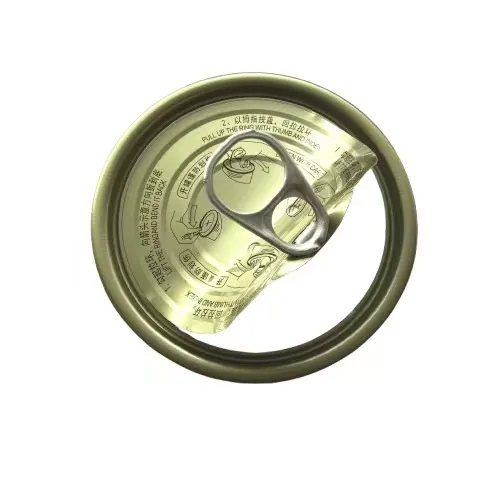
Why do burr free edges matter for can ends?
Sharp burrs on can ends pose injury risks to workers and consumers, and they can interfere with the seaming process by creating gaps or uneven folds. A burr free edge ensures a consistent seal, reducing leakage and spoilage. It also helps maintain the integrity of the can's protective coating, which is critical for food and beverage packaging.
How are burr free edges produced?
Manufacturers typically use a two-step process: first, the end is blanked and curled; then, the edge is smoothed using a deburring tool or a specialized curling die. Some high-speed lines employ laser cutting or electrochemical finishing to achieve a burr free edge. The goal is to eliminate sharp edges without compromising the end's structural strength.
What should you look for when sourcing burr free can ends?
When selecting a supplier, verify that the ends meet industry standards for edge quality and that the supplier can provide consistent, burr free results. Many buyers choose to order tinplate to Guangda factory in China for its reputation in precision manufacturing. Always request samples to inspect the edge finish and ensure compatibility with your seaming equipment.
Can burr free ends be used for all can types?
Yes, burr free edges are suitable for most metal cans, including food, beverage, and aerosol containers. However, the specific finishing method may vary depending on the base material and end design. Always consult your supplier to match the right end to your application.
常见问题
What causes burrs on metal can ends?
Burrs typically form during the blanking or cutting process when the metal is sheared, leaving rough edges. Dull tooling or improper clearance can worsen the issue. Secondary operations like deburring or specialized curling remove these burrs.
Are burr free can ends more expensive?
They can cost slightly more due to additional processing steps, but the safety and quality benefits often justify the expense. In high-volume production, the cost difference is usually minimal. Many suppliers offer competitive pricing for bulk orders.
How can I verify that can ends are truly burr free?
Inspect samples visually and by touch, or use magnification to check for sharp edges. A simple tape test can also reveal protruding burrs. Reputable suppliers provide quality certifications and allow sample evaluation before purchase.