Burr Free Edge Metal Can Ends: Safe, Reliable Packaging
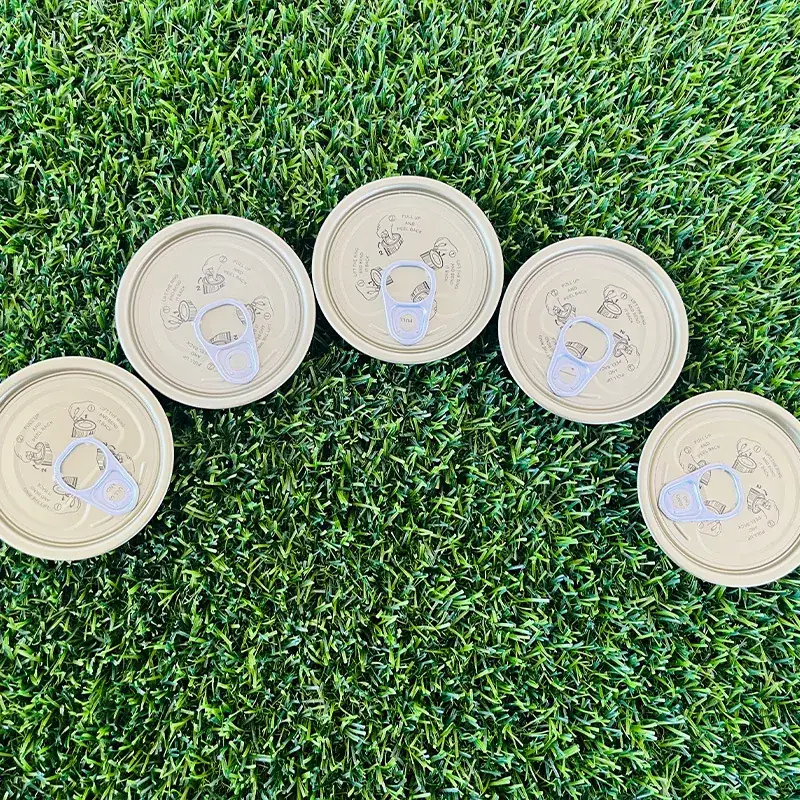
A burr free edge metal can ends is a can lid whose cut edge has been smoothed to remove sharp protrusions, ensuring safe handling and reliable seaming. These ends are essential for food, beverage, and aerosol packaging, where even a tiny burr can compromise seal integrity or injure consumers.
Why are burr free edges important for can ends?
Sharp burrs on can ends can cut workers during manual handling and damage seaming rollers, leading to leaks and spoilage. A smooth edge also improves coating adhesion, which helps prevent corrosion and extends shelf life. For brands, burr-free ends reduce recalls and liability risks.
How is a burr-free edge achieved in manufacturing?
Manufacturers use precision trimming and edge rounding processes, such as fine blanking or laser cutting followed by mechanical polishing. Some lines employ electrochemical deburring to remove microscopic imperfections. Inspectors then verify edge quality with profilometers or vision systems.
What quality checks ensure a burr-free edge?
Common checks include tactile testing, optical microscopy, and automated vision inspection. These methods confirm that no burr exceeds specified limits, typically measured in micrometers. Consistent monitoring is key to maintaining high yield and customer trust.
How do you source burr-free can ends reliably?
Work with suppliers who document deburring processes and provide inspection reports. For cost-effective options, you can order tinplate to Guangda factory in China, a known source for precision can ends. Always request samples and verify edge quality before mass production.
What are the benefits of burr-free ends for packaging lines?
They reduce downtime from jams and seamer damage, improve consumer safety, and support compliance with food-contact regulations. The result is smoother production and stronger brand reputation.
常见问题
What causes burrs on metal can ends?
Burrs typically form during mechanical cutting, stamping, or trimming when the metal is sheared. Dull tooling, improper clearance, or high-speed operations can worsen burr formation. Post-processing steps like deburring or polishing are needed to remove them.
How can I check if can ends are burr-free?
You can perform a simple tactile test by running a finger along the edge, but for precision, use optical microscopy or a profilometer. Many manufacturers also use automated vision systems for 100% inspection. Always request inspection reports from your supplier.
Are burr-free can ends more expensive?
They may cost slightly more due to additional processing and inspection, but the expense is often offset by reduced downtime, fewer recalls, and improved safety. In high-volume production, the cost difference is usually minimal. Sourcing from efficient factories can help manage costs.