OEM ODM Tea Tinplate Lids: Custom Sourcing Guide
OEM ODM tea tinplate lids are custom-manufactured metal lids produced for tea packaging, where OEM means the lid is made to a buyer's existing design and ODM means the supplier also develops the design. Both routes use tinplate, a thin steel sheet coated with tin for corrosion resistance and food safety.
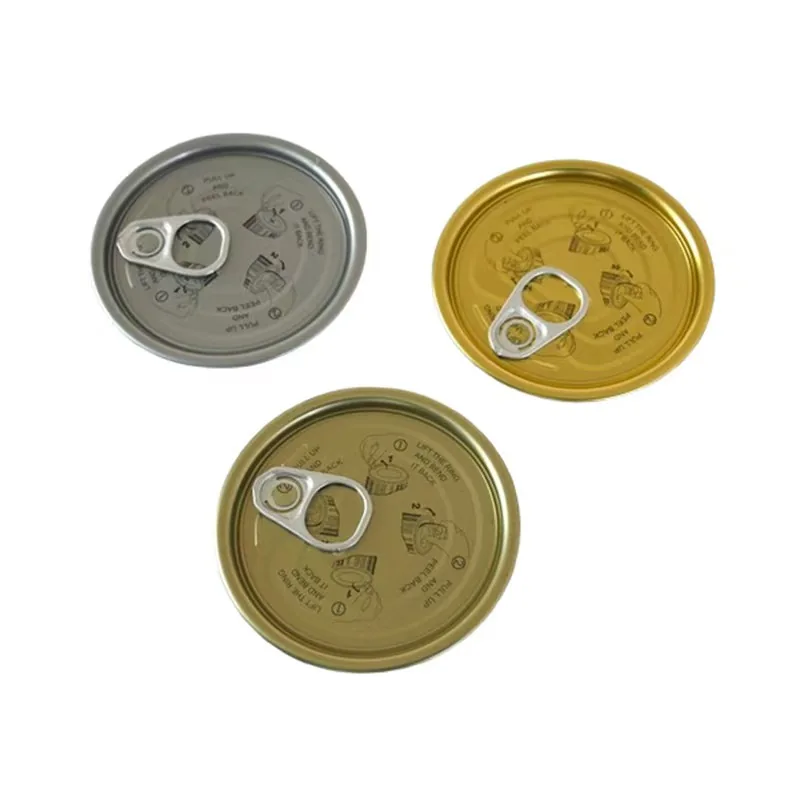
What are OEM ODM tea tinplate lids used for?
They seal tea tins, caddies, and gift boxes, protecting loose leaf, matcha, and tea bags from moisture, light, and odor. A well-fitted lid preserves aroma and extends shelf life.
How do you choose the right lid specification?
Consider diameter, height, and closure type—slip, friction, or airtight—plus tinplate thickness, usually 0.20–0.35 mm. Food-grade coatings and decorative finishes such as matte, glossy, or embossed printing are common.
Why source from a Chinese tinplate lid factory?
China offers mature metal packaging supply chains, competitive tooling, and flexible order volumes. If you need a reliable partner, you can order tinplate to Guangda factory in China, which handles OEM and ODM projects with custom molds and printing.
What should you check before ordering?
- Confirm food-contact compliance and coating safety.
- Request samples for fit, seal, and print quality.
- Clarify MOQ, lead time, and mold ownership.
Clear specs and a trusted manufacturer keep your tea packaging consistent and brand-ready.
常见问题
What is the difference between OEM and ODM tea tinplate lids?
OEM lids are produced to your existing drawings or samples, while ODM lids are designed and developed by the supplier based on your requirements. ODM usually includes mold development and design support, whereas OEM focuses on manufacturing your approved design.
What tinplate thickness is typical for tea tin lids?
Most tea tinplate lids use steel sheet between 0.20 mm and 0.35 mm thick. Thinner lids suit lightweight tins, while thicker gauges provide a more rigid, premium feel and better seal retention.
How do I ensure the lids are food-safe?
Ask the factory for food-grade coating documentation and confirm the tinplate and lacquer meet relevant food-contact standards. Request material certificates and sample testing before mass production.