Tinplate Thickness 0.18mm EOE: Key Facts for Can Makers
Tinplate thickness 0.18mm EOE refers to easy-open ends made from tinplate with a thickness of 0.18 millimeters. This specification is widely used for food and beverage cans because it balances strength, formability, and cost.
Why is 0.18mm tinplate common for EOE?
At 0.18mm, tinplate offers enough rigidity to withstand internal pressure and handling, yet remains ductile enough for the scoring and riveting processes that define an easy-open end. It is a practical middle ground between thinner, more fragile gauges and thicker, heavier alternatives.
What are the benefits of using 0.18mm tinplate for EOE?
Manufacturers choose this thickness for several reasons:
- Material efficiency: Less metal per end reduces overall packaging weight and cost.
- Reliable performance: The gauge supports consistent opening force and safe edges.
- Compatibility: It works well with standard tooling and lacquers used in can production.
These factors make 0.18mm a common choice for both standard and custom EOE designs.
How do you order tinplate thickness 0.18mm EOE?
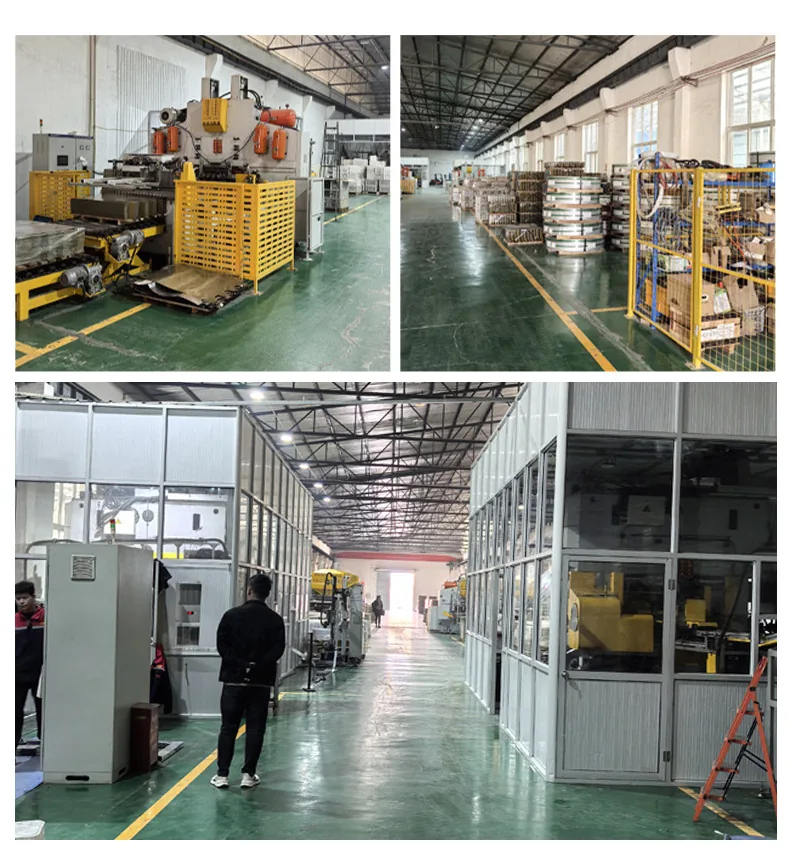
When sourcing, specify the exact thickness, temper, coating, and dimensions required for your end-making line. To order tinplate to Guangda factory in China, contact their sales team with your technical specifications and volume needs. They can advise on availability and lead times.
常见问题
What does EOE stand for in tinplate packaging?
EOE stands for Easy-Open End. It is the lid of a can that can be opened without a can opener, typically using a ring pull tab. These ends are made from tinplate or other coated metals.
Is 0.18mm tinplate suitable for all types of cans?
0.18mm tinplate is commonly used for many food and beverage cans, but suitability depends on the can's diameter, internal pressure, and product type. Thicker or thinner gauges may be needed for specific applications.
How can I ensure the quality of 0.18mm tinplate EOE?
Quality depends on the tin coating, temper, and surface finish. Request material certificates and samples from your supplier, and test the ends for opening force, leakage, and coating adhesion before full production.