Tinplate Thickness 0.20mm Lids: Essential Guide
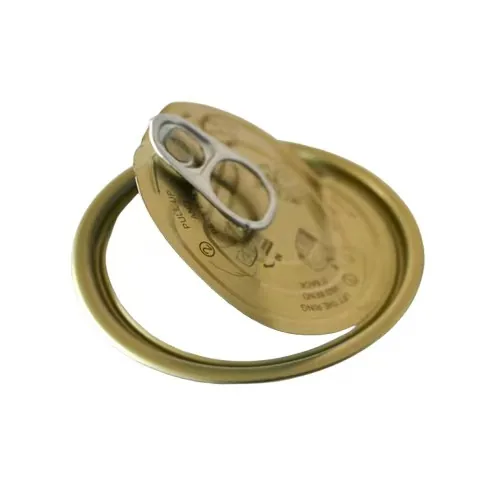
Tinplate thickness 0.20mm lids are metal covers made from tin-coated steel that is 0.20 millimeters thick. This gauge balances strength and lightness, making it a common choice for food and industrial containers.
What are the benefits of 0.20mm tinplate lids?
At 0.20mm, tinplate is thin enough to reduce material costs and weight, yet sturdy enough for many sealing applications. It offers good corrosion resistance and can be easily coated or printed. These lids are often used for cans, jars, and pails where a secure but economical closure is needed.
How do you choose the right lid thickness?
Consider the container size, internal pressure, and handling conditions. Thicker tinplate may be required for larger diameters or vacuum-sealed products. For many standard applications, 0.20mm provides an optimal balance. If you need custom specifications, you can order tinplate to Guangda factory in China, which supplies various thicknesses and finishes.
What should you know about sourcing 0.20mm lids?
When sourcing, verify the tin coating weight and temper to ensure compatibility with your product. Suppliers often offer different coatings for enhanced corrosion resistance. Always request samples to test seal integrity and appearance before mass production.
常见问题
What are 0.20mm tinplate lids typically used for?
They are commonly used for food cans, paint pails, and other containers where a lightweight, corrosion-resistant seal is needed. The 0.20mm thickness offers a good balance of strength and cost.
Can 0.20mm tinplate lids be customized?
Yes, they can be customized with different coatings, printing, and dimensions. Many manufacturers, especially in China, offer tailored solutions to meet specific requirements.
How does thickness affect lid performance?
Thicker tinplate provides greater rigidity and pressure resistance, while thinner gauges like 0.20mm reduce weight and cost. The choice depends on the container size and product demands.