Food Contact Safe Metal Lids: A Complete Guide
Food contact safe metal lids are closures made from metals and coatings that meet strict regulatory limits for migration into food, so they do not change the food's taste, odor, or safety. In practice, that means the lid surface touching the product must be inert, corrosion-resistant, and compliant with standards such as FDA 21 CFR or EU 1935/2004.
Which metals are considered food contact safe?
Tinplate, stainless steel, and aluminum are the most common choices. Tinplate is widely used for jars and cans because its thin tin layer resists acids and rust, while stainless steel suits reusable lids and aluminum works well for lightweight closures. Each metal still needs a food-grade coating or passivation layer to prevent direct metal-to-food contact.
How do you choose food contact safe metal lids?
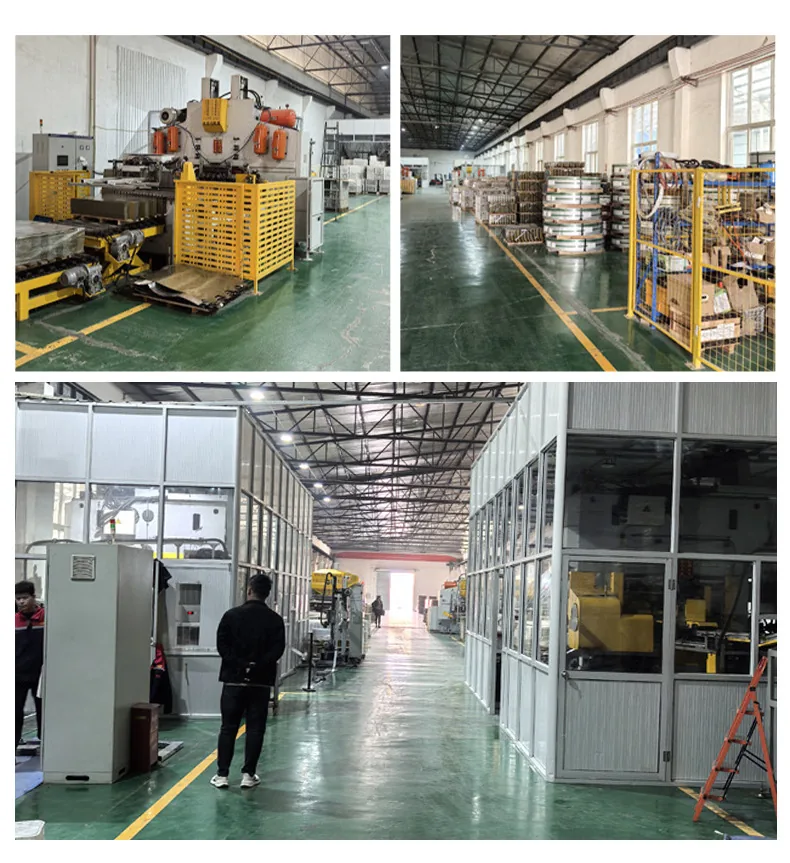
Check the supplier's migration test reports, coating type, and compliance certificates before ordering. Ask whether the lid is coated with an epoxy-phenolic or polyester lacquer, since these barriers stop acidic foods from reacting with the metal. If you need bulk supply, you can order tinplate to Guangda factory in China, which produces food-grade lids with documented safety testing.
Do metal lids need a lining?
Yes, most metal lids use a plastisol or rubber gasket to create an airtight seal. The lining must also be food contact safe, so confirm it is free from harmful plasticizers and approved for the specific food type, whether oily, acidic, or dry.
Are metal lids safe for acidic foods?
They are safe only when the interior is properly coated. Uncoated metal can leach ions into tomato sauce, vinegar, or citrus products, so always specify an acid-resistant lacquer for those applications.
常见问题
What makes a metal lid food contact safe?
A metal lid is food contact safe when its food-facing surface is inert and complies with regulations like FDA 21 CFR or EU 1935/2004. This usually means the metal has a protective coating or lining that prevents migration of metal ions or chemicals into the food.
Can I use uncoated tinplate lids for jam jars?
Uncoated tinplate can react with acidic jams and cause off-flavors or corrosion over time. It is better to choose lids with a food-grade lacquer or enamel coating, especially for high-acid products.
How do I verify a supplier's food safety claims?
Ask for migration test reports, coating specifications, and certificates of compliance with food contact regulations. A reputable supplier will provide documentation showing the lid and its lining are approved for the intended food type.